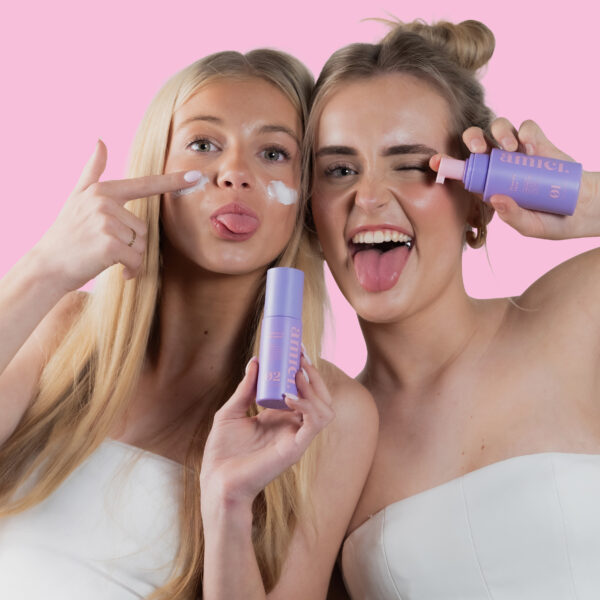




Skincare for Tweens & Teens (Ages 9–16): The Complete Guide
Young skin doesn’t need an adult skincare routine. Skincare for tweens and teens should be simple, gentle and suited to developing skin. Whether you’re looking for skincare for a 9-year-old, a first routine for a 12-year-old or straightforward teen skincare during puberty, the essentials are surprisingly simple.
At AMICI, we believe young skin doesn’t need more skincare. It needs the right skincare.
Cleanse. Hydrate. Protect.
Three essentials to help young skin stay clean, comfortable, hydrated
and protected — without complicated routines or unnecessary active
ingredients.
Short answer: For most tweens and young teens, a basic routine built around gentle cleansing, moisturizing and daily sun protection is a sensible place to start. Strong anti-ageing ingredients and complicated multi-step routines are generally unnecessary for healthy young skin.
Simple Advice for Young & Changing Skin
This guide is designed to help parents, tweens and teens understand the basics of age-appropriate skincare. The focus is on gentle cleansing, hydration and sun protection rather than complicated routines or unnecessary active ingredients.
Young skin is individual. Oiliness, dryness, sensitivity and breakouts can differ from person to person and can also change throughout puberty.
This page provides general educational information and is not intended to diagnose or treat an individual skin condition. Persistent, painful, severe or scarring acne, eczema or other ongoing skin concerns should be discussed with a qualified healthcare professional or dermatologist.
In This Guide
Why Is Young Skin Different from Adult Skin?
The years between childhood and adulthood bring many changes. Puberty can affect oil production, sweating and the likelihood of blackheads or breakouts.
At the same time, there is usually no reason for a tween or young teen with otherwise healthy skin to copy a complex adult skincare routine. The goal is not anti-ageing skincare, aggressive exfoliation or chasing perfect skin. The goal is to build simple habits that support healthy, comfortable skin.
Keep It Gentle
Choose products that cleanse and moisturize without leaving skin feeling stripped, tight or uncomfortable.
Keep It Simple
More products do not automatically mean better skincare. Beginners benefit from learning the basics first.
Build Good Habits
A straightforward routine makes daily skincare easier to understand and easier to maintain consistently.
Is Skincare Safe for Tweens & Teens?
Yes. Skincare can be appropriate for young skin when the routine is simple and the products are suitable for the person’s age and skin needs.
Problems are more likely when young users copy adult routines, combine several active ingredients at once, scrub aggressively, over-cleanse or repeatedly switch products because of trends on social media.
Cleanse. Hydrate. Protect.
A simple three-step philosophy for the first years of skincare. Start with the essentials and only add more when the skin genuinely needs it.
Cleanse
Wash gently.
Remove daily dirt, sweat, excess oil and sunscreen without harsh
scrubbing.
Hydrate
Keep skin comfortable.
Use a suitable moisturizer to help keep young skin feeling hydrated
and comfortable.
Protect
Make sun protection a habit.
Use suitable sunscreen during the day and follow the product
directions for reapplication.
Simple Morning & Evening Skincare Routine
Morning
- Cleanse gently if needed.
- Apply moisturizer if the skin needs hydration.
- Finish with suitable sun protection.
Evening
- Cleanse to remove sunscreen, sweat, oil and daily impurities.
- Follow with a suitable moisturizer.
That’s it. Most beginners do not need a complicated evening routine.
Which Skincare Products Do Tweens & Teens Need?
The right routine depends on the individual, but most young people starting skincare can begin with a small number of basic products.
Gentle Cleanser
A cleanser can help remove sweat, dirt, sunscreen and excess oil from the skin.
Moisturizer
A suitable moisturizer can help keep young skin feeling hydrated and comfortable.
Sunscreen
Broad-spectrum sunscreen is an important part of daytime sun protection.
Do Teens Need Serums?
Most tweens and younger teens do not need a serum as part of a basic skincare routine. Cleanser, moisturizer and sun protection are a sensible place to start.
A serum can be considered when there is a specific reason for using one, but adding products simply because they are popular on social media does not automatically make a skincare routine better.
If you are specifically looking for a mineral sunscreen serum, a serum-style SPF can be one option for people who prefer that type of sunscreen format.
What Skincare Should Tweens & Young Teens Avoid?
Anti-Ageing Products
Healthy young skin does not need anti-ageing skincare.
Strong Exfoliation
Aggressive acids, peels and frequent exfoliation are not a basic requirement for a beginner routine.
Harsh Physical Scrubs
Scrubbing harder does not mean cleansing better and can leave skin feeling irritated.
Too Many Products
Introducing several new products at once can make irritation harder to identify and routines harder to understand.
Read our detailed guide: What Skincare Should Kids, Tweens & Teens Avoid? →
Can Tweens & Teens Use Active Skincare Ingredients?
Some active ingredients can have a role in teenage skincare, but the need for an ingredient should come before the trend surrounding it. Healthy young skin does not automatically need dedicated serums or strong active products.
| Ingredient | What to know |
|---|---|
| Niacinamide | Commonly used in skincare for barrier support and oiliness, but a dedicated serum is not automatically necessary. |
| Hyaluronic Acid | Commonly used to support hydration and may already be included in a moisturizer. |
| Retinol & Retinoids | Anti-ageing retinol is generally unnecessary for healthy young skin. Medical retinoids may have a role in acne treatment under appropriate professional guidance. |
| Exfoliating Acids | Strong or frequent exfoliation is not a basic requirement for young skin. |
What Age Should Kids Start Skincare?
There is no universal birthday at which every child suddenly needs skincare. For many families, a first simple routine begins during the tween years as oiliness, sweat or occasional breakouts become more noticeable.
Some children may need little more than basic cleansing and sun protection, while others may benefit from adding a moisturizer when their skin feels dry or uncomfortable.
The goal is not to start as early as possible. The goal is to introduce appropriate skincare when there is a reason for it and to build simple habits that can be maintained.
Skincare by Age
Ages 9–10
Learn the basics.
Gentle cleansing when needed, hydration if the skin feels dry
and appropriate sun protection.
Ages 11–12
Early changes.
Early puberty may bring increased oiliness, sweat or an occasional
spot.
Ages 13–14
Puberty skincare.
Oil production and breakouts can become more noticeable.
Keep the basic routine consistent.
Ages 15–16
More individual needs.
Older teens may have more individual skincare needs while still
benefiting from a simple basic routine.
Not sure what type of skin you have? Take the AMICI Teen Skin Type Quiz →
Puberty, Oily Skin & Acne
Hormonal changes during puberty can increase sebum production. Combined with dead skin cells and clogged pores, this can contribute to blackheads, whiteheads and pimples.
- Cleanse gently and avoid aggressive scrubbing.
- Cleanse after heavy sweating when appropriate.
- Use a suitable moisturizer.
- Use appropriate sun protection.
- Introduce new products one at a time.
- Avoid picking or repeatedly squeezing spots.
Common Teen Skincare Mistakes
Copying Adult Routines
Adult routines often contain products designed for concerns that young skin does not have.
Changing Products Constantly
Switching products frequently makes it difficult to understand what actually works for the skin.
Over-Cleansing
Washing and scrubbing repeatedly can leave skin feeling dry or irritated.
Treating Every Spot Aggressively
An occasional pimple does not automatically require an advanced acne routine.
How Parents Can Help Tweens & Teens Start Skincare
Skincare can be a useful opportunity to teach young people how to care for their skin without turning normal changes into something they need to “fix”.
- Start with the basic routine.
- Introduce one new product at a time.
- Pay attention to signs of irritation.
- Do not copy adult skincare routines blindly.
- Make daily sun protection a normal habit.
- Take persistent or severe acne seriously.
The goal is not to create a perfect routine. It is to help young people understand their skin and develop practical habits they can maintain.
Skincare for the Next Generation
AMICI is focused on simple, age-appropriate skincare for tweens and teens aged 9–16. Our approach starts with three essentials — cleanse, hydrate and protect — and encourages young skincare users to understand their skin before adding unnecessary steps.
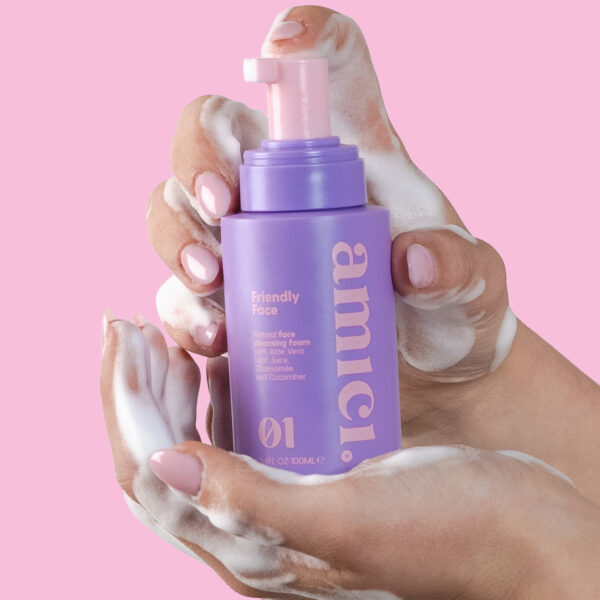
Friendly Face
AMICI’s foaming facial cleanser for a simple daily cleansing routine.
Shop Friendly Face →Moisture Moment
AMICI’s daily moisturizer for young and teenage skin.
Shop Moisture Moment →Daily Duo
A simple combination of cleanser and moisturizer for a straightforward first skincare routine.
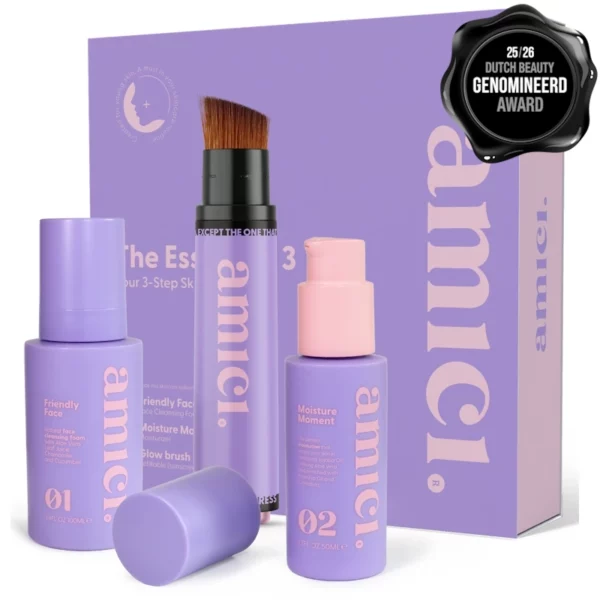
Explore the Daily Duo →The Essential 3
An easy AMICI routine built around cleanse, hydrate and protect.
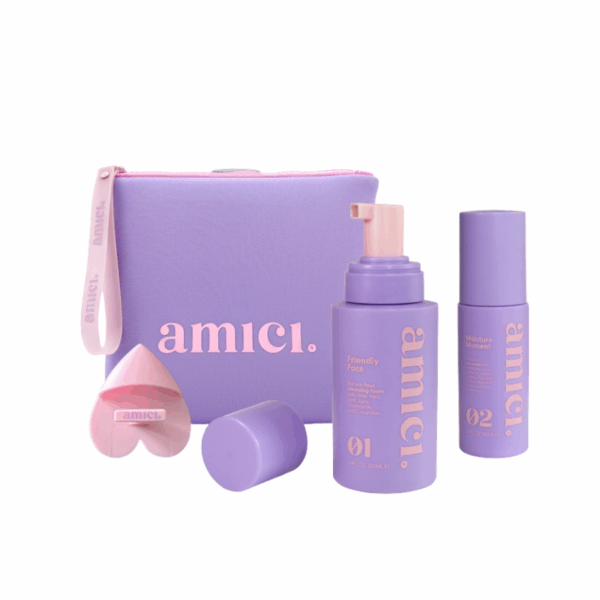
Explore The Essential 3 →Everyday Glow Set
A skincare set for young skincare fans who want to make their everyday routine feel a little more special.
Explore the Everyday Glow Set →All AMICI Skincare
Browse AMICI cleansers, moisturizers, skincare sets and accessories for tweens and teens.
Shop All AMICI Skincare →FAQs About Skincare for Tweens & Teens
Do tweens and teens really need skincare?
Most tweens and teens do not need a complicated skincare routine. A simple routine focused on gentle cleansing, hydration and daily sun protection is a sensible starting point for many young people.
Is skincare safe for a 10-year-old?
Yes. Skincare can be suitable for a 10-year-old when products are gentle, age-appropriate and chosen according to the skin’s needs.
At what age should kids start a skincare routine?
There is no single age. Many young people begin a simple routine during the tween years as puberty starts to affect oiliness, sweating or breakouts.
What is a good skincare routine for tweens and teens?
A simple routine is cleanse, hydrate and protect. Start with the essentials and only add products when there is a clear reason.
Why do tweens and teens get acne?
Hormonal changes during puberty can increase oil production. Together with dead skin cells and clogged pores, this can contribute to blackheads, whiteheads and breakouts.
Should tweens and teens use serums?
Most tweens do not need a dedicated serum as part of a basic skincare routine. Start with the essentials and add targeted products only when there is a clear reason to do so.
What skincare ingredients should tweens and teens avoid?
Young skin generally does not need strong anti-ageing ingredients, aggressive exfoliating acids or harsh physical scrubs as part of a basic routine.
Can tweens and teens use retinol?
Cosmetic retinol is generally unnecessary for healthy tween skin. Retinoids may be used medically for acne under appropriate professional guidance.
How often should tweens and teens wash their face?
For many tweens and teens, gentle cleansing once or twice a day is enough. After heavy sweating or sports, an additional gentle cleanse may also be appropriate. Avoid aggressive scrubbing or repeated washing that leaves the skin dry or irritated.
What skincare is best for a 12-year-old?
A mild cleanser, suitable moisturizer and daily sunscreen are a sensible starting point for many 12-year-olds.
Can teenagers use active skincare ingredients?
Some teenagers may benefit from specific active ingredients for particular skin concerns, but the basic routine should come first. Products should be chosen according to the skin’s needs rather than simply following ingredient trends.
Is sunscreen important for tweens and teens?
Yes. Sun protection is an important skincare habit. Sunscreen should be combined with other sensible UV-protection measures such as shade and protective clothing where appropriate.
Explore AMICI Skincare Guides & Collections
Explore more AMICI content about young skin, simple skincare routines and age-appropriate products for tweens and teens.
Sources & Further Reading
- American Academy of Dermatology — Skin Care for Acne-Prone Skin — dermatologist guidance on skincare and acne-prone skin.
- NHS — Acne — information about acne, including teenage acne and when to seek medical advice.
Last reviewed: August 2026. Educational information only. Individual skin needs differ. Medical skin concerns require individual professional assessment.
Start Simple. Build Habits That Last.
Young skin does not need an overwhelming routine. Start with the essentials, understand how the skin behaves and add more only when there is a clear reason.
Made for young skin. Made to grow with you.